

Table of Contents
- How We Evaluated the Best Natural Insect Repellent Options
- Quick Comparison: Top Natural Insect Repellents at a Glance
- Active Ingredients: What Actually Works Without DEET
- Natural Insect Repellent for Sensitive Skin: What to Look For
- Top Natural Insect Repellents of 2026: Full Reviews
- DIY vs. Commercial Natural Repellents: Which Actually Protects You
- How to Apply Natural Bug Spray for Maximum Protection
- Conclusion
Last Updated: August 26, 2026
Finding the best natural insect repellent in 2026 means sorting through a crowded market where “natural” claims range from genuinely plant-based formulas to products that barely qualify. At Scram Products, we’ve evaluated what actually keeps biting insects off skin, particularly no-see-ums that most repellents fail to address. This guide covers the top natural insect repellent options available this year, ranked by real-world protection, skin compatibility, and ingredient transparency.
Quick Picks:
- Best Multipurpose: Scram No-See-Um Bug Guard, collagen cream with essential oil protection
- Best for Tick and Mosquito Coverage: Oil of Lemon Eucalyptus sprays (Murphy’s Naturals, Natrapel, Repel)
- Best for Eco-Conscious Families: Certified organic balms and sprays (Badger, Greenerways)
- Best for Long-Duration Activities: Picaridin formulas (Sawyer Products 20% Picaridan)
How We Evaluated the Best Natural Insect Repellent Options
Our evaluation framework focused on five criteria: active ingredient efficacy, protection duration, skin safety for sensitive users and children, water resistance, and scent profile. We weighted coverage against no-see-ums specifically, since most repellent guides ignore these biting midges entirely.
A natural insect repellent is a topical product that uses plant-derived or naturally-sourced active ingredients to deter biting insects without synthetic compounds like DEET. We cross-referenced product formulations against CDC recommendations on insect repellents, which identifies oil of lemon eucalyptus and picaridin as effective DEET alternatives. Products with certified organic credentials, lab-verified repellency testing, and transparent ingredient lists ranked higher.
|
Criteria |
Weight |
What We Checked |
|---|---|---|
|
Active ingredient efficacy |
High |
EPA registration, lab testing |
|
Protection duration |
High |
Hours per application |
|
Skin safety |
High |
Safe for children, sensitive skin |
|
Water/sweat resistance |
Medium |
Waterproof claims, reapplication needs |
|
Scent profile |
Medium |
Pleasant vs. strong chemical odor |
|
No-see-um coverage |
High |
Specific midge protection |
Quick Comparison: Top Natural Insect Repellents at a Glance
|
Product |
Active Ingredient |
Protection Duration |
Best For |
Waterproof |
|---|---|---|---|---|
|
Scram No-See-Um Bug Guard |
Essential oil blend |
Varies by activity |
No-see-ums, multipurpose |
Yes |
|
Murphy’s Naturals OLE Spray |
30% Oil of Lemon Eucalyptus |
Up to 6 hours |
Mosquitoes and ticks |
No |
|
Badger Anti-Bug Balm |
Citronella, cedarwood, lemongrass |
Up to 3.5 hours |
Organic families |
No |
|
Sawyer Picaridin 20% |
20% Picaridin |
Up to 12-14 hours |
Long outdoor activities |
Yes |
|
Greenerways Organic Spray |
Organic citronella, lemongrass, cedar |
Varies |
Sensitive skin, kids, pets |
No |
|
Natrapel OLE Spray |
Oil of Lemon Eucalyptus |
Up to 6 hours |
Travel, ticks |
No |
|
Kinfield Golden Hour |
Indonesian citronella |
Up to 3 hours |
Everyday use |
No |
Active Ingredients: What Actually Works Without DEET
The active ingredient determines everything: how long protection lasts, which insects it deters, and whether it’s safe for children and sensitive skin. DEET-free formulas have improved significantly, and the best options now match or approach DEET’s performance for many use cases.
Oil of Lemon Eucalyptus Effectiveness Against Mosquitoes and Ticks
Oil of lemon eucalyptus is a plant-derived compound refined from eucalyptus leaves and is the only plant-based active ingredient currently recommended by the CDC insect repellent guidance for protection against both mosquitoes and ticks. Products containing 30% oil of lemon eucalyptus typically provide up to six hours of mosquito protection and meaningful tick coverage, including deer ticks that can carry Lyme disease.
Important: oil of lemon eucalyptus is not the same as raw eucalyptus essential oil. The refined version contains higher concentrations of the active compound PMD and is EPA-registered. Raw eucalyptus oil is not.
Oil of lemon eucalyptus is not recommended for children under three years of age.
Botanical Extracts: Citronella, Geraniol, and Essential Oil Blends
Citronella works but offers short protection, most products require reapplication every 60-90 minutes. Geraniol, derived from rose geranium, offers stronger repellency and is increasingly appearing in premium blends. Cedarwood, patchouli, lemongrass, lavender, and clove round out the essential oil toolkit. The most effective botanical formulas combine several of these, since different compounds deter different insect species.
Single-ingredient citronella products are the weakest performers in this category. Multi-oil blends, particularly those that include geraniol or cedarwood alongside citronella, outperform them in real conditions.
Natural Insect Repellent for Sensitive Skin: What to Look For
The best natural insect repellent options for sensitive skin now include dermatologist-tested, hypoallergenic formulas that skip harsh solvents and synthetic fragrances responsible for most reactions.
When evaluating a natural insect repellent for sensitive skin, prioritize these characteristics:
- USDA Certified Organic or non-GMO verification: Third-party certification reduces the risk of undisclosed synthetic additives
- No alcohol or solvent base: Alcohol-heavy sprays dry out skin and can trigger reactions in eczema-prone users
- Fragrance transparency: Products that list every essential oil ingredient allow you to cross-check against known personal sensitivities
- Tested on children: Formulas verified safe for children under two tend to be gentler across all skin types
- Collagen or moisturizing base: Cream-format repellents that include skin-nourishing ingredients reduce the drying effect common with spray formulas
Always patch-test a new formula on the inner forearm before applying broadly, especially for children or anyone with a history of skin sensitivity.
Top Natural Insect Repellents of 2026: Full Reviews
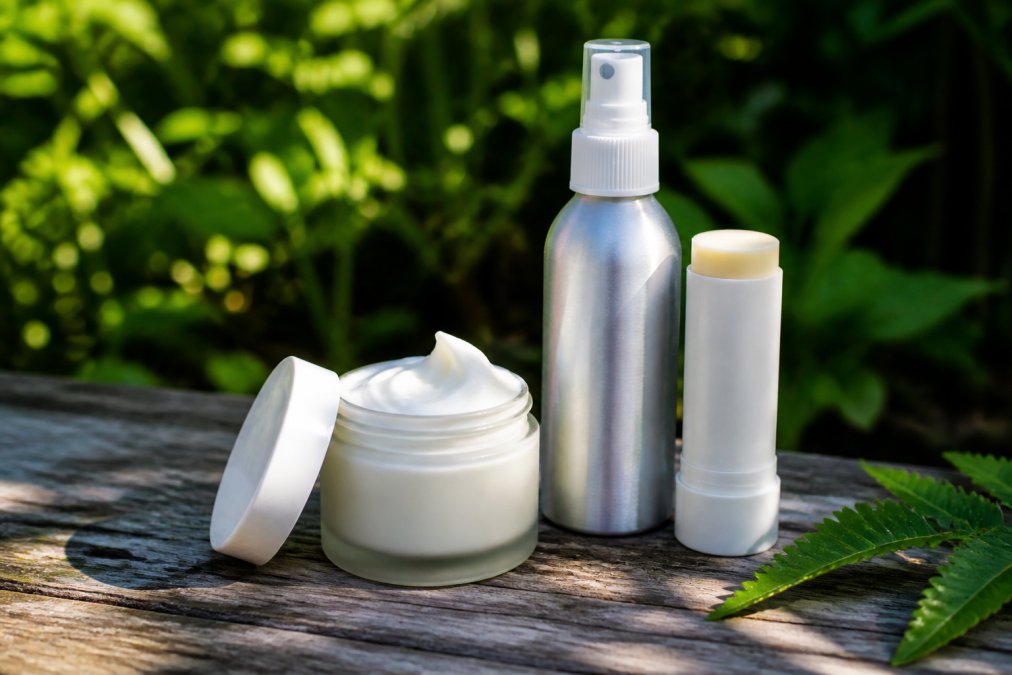
Scram No-See-Um Bug Guard: Best Multipurpose Collagen Cream
Scram No-See-Um Bug Guard solves a problem most repellents ignore: no-see-um protection in a formula that’s pleasant to apply and wear.
The product is a collagen-based moisturizing cream that blends insect-deterring essential oils, citronella, eucalyptus, lavender, cedarwood, and patchouli, into a skin-nourishing base. This combination creates a multi-compound repellent barrier while hydrating skin. The waterproof formula survives water exposure and sweating, and the pleasant scent encourages consistent use.
Scram is safe for children over 2 years of age which puts it in a small category of formulas appropriate for the younger family members.
Best for: Boaters, beachgoers, golfers, families with young children, anyone who wants a dual-purpose skincare and protection product.
Pros:
- Waterproof formula survives swimming and sweating
- Collagen base nourishes skin while protecting
- Safe for children over 2yrs
- Multi-oil blend targets no-see-ums specifically
- Pleasant scent that encourages consistent use
- Also provides after-bite relieve for anyone who already has bites because of the eucalyptus, peppermint oils and the aloe vera, chamomile and green tea that are in the spa quality collagen cream. Helps prevent scarring.
Cons:
- Pricing and availability are not listed directly on the website; check scramproducts.com for current options
- Cream format may feel different from spray users’ preferences initially
Oil of Lemon Eucalyptus Sprays: Best for Tick and Mosquito Coverage
For straightforward tick and mosquito protection, oil of lemon eucalyptus sprays are the strongest plant-based performers. Murphy’s Naturals, Natrapel, and Repel all use 30% oil of lemon eucalyptus and deliver up to six hours of mosquito protection per application.
Murphy’s Naturals keeps the formula simple: oil of lemon eucalyptus, water, and corn ethanol. Natrapel offers a TSA-compliant travel size. Repel is widely available at major retailers with a lower price point.
All three require reapplication after six hours for mosquitoes, and coverage for deer ticks drops to around four hours. None are waterproof, so swimming requires reapplication.
Not recommended for children under three years old.
Certified Organic Balms and Sprays: Best for Eco-Conscious Families
Badger Anti-Bug Balm and Greenerways Organic Bug Spray both carry USDA Certified Organic certification. Both are DEET-free, non-GMO, and formulated with citronella, cedarwood, and lemongrass as primary active ingredients.
Badger’s balm format is ideal for targeted application on pulse points and exposed skin. The organic extra virgin olive oil and castor oil base soothes while essential oils deter insects. Lab testing shows up to 3.5 hours of protection against mosquitoes.
Greenerways is vegan, cruelty-free, and hypoallergenic. It’s safe for direct skin application and for use on clothing and gear without staining.
Picarikin Formulas: Best for Long-Duration Outdoor Activities
Picaridin is synthetic and DEET-free, and it outperforms every other option in this list on raw protection duration. Sawyer Products’ 20% Picaridin formula provides up to 12 hours of mosquito and tick protection, and up to 14 hours in lotion form.
For multi-day camping trips or backcountry hiking where reapplication every few hours isn’t practical, picaridin is the practical choice. It’s fragrance-free, non-greasy, and safe for use on clothing and gear without causing damage.
If you’re committed to a fully plant-based formula, picaridin doesn’t qualify. For users whose primary concern is avoiding DEET, it’s the most effective option available. According to EPA guidance on picaridin safety, picaridin is considered safe for use on adults and children when applied as directed.
DIY vs. Commercial Natural Repellents: Which Actually Protects You
DIY natural insect repellents have devoted followers, but homemade formulas rarely match commercial products for consistent protection. The core issue is concentration and stability. Commercial natural repellents undergo efficacy testing to verify that active ingredients remain at effective concentrations throughout the product’s shelf life. A DIY blend may smell similar but rarely achieves the proper ratio of active compounds to carrier.
As documented in EPA’s registered repellent database, only EPA-registered repellents have been reviewed for both safety and efficacy. DIY formulas receive no such review.
DIY blends can serve as supplemental layers for low-risk environments, such as a backyard dinner with moderate mosquito pressure. For disease-carrying mosquitoes, ticks in endemic areas, or no-see-ums on the water, commercial formulas with verified active ingredients are the responsible choice.
|
Factor |
DIY Repellent |
Commercial Natural Repellent |
|---|---|---|
|
Ingredient control |
Full |
Partial (label transparency varies) |
|
Efficacy verification |
None |
EPA-registered options available |
|
Concentration consistency |
Unreliable |
Lab-tested |
|
Shelf stability |
Low |
Formulated for stability |
|
Cost |
Lower |
Higher |
|
Protection for disease vectors |
Not recommended |
Recommended |
How to Apply Natural Bug Spray for Maximum Protection
Applying natural insect repellent correctly is the step most people skip, and it’s the reason many conclude that “natural repellents don’t work.”

Natural repellents depend on surface coverage. Follow these steps for maximum protection:
- Apply to all exposed skin, including ankles, the back of the neck, and ears, frequent bite sites users miss.
- For cream and balm formats, use enough product to create a visible, even coat.
- For sprays, hold the bottle 6-8 inches from skin and apply in overlapping passes.
- Reapply according to the product’s stated duration, and always reapply after swimming or heavy sweating.
- For children, apply to your own hands first, then transfer to the child’s skin. Avoid eyes, mouth, and hands that go in mouths.
Repellent and Sunscreen: Getting the Application Order Right
Apply sunscreen first. Allow it to absorb fully, typically 10-15 minutes, before applying insect repellent over the top. This sequence protects the sunscreen’s UV-filtering compounds from being diluted by the repellent.
Avoid combination sunscreen-repellent products. Sunscreen requires frequent reapplication every 90-120 minutes, while most repellents should not be reapplied that frequently. A combination product forces you to choose between adequate sun protection and appropriate repellent dosing.
The American Academy of Dermatology guidance on sunscreen recommends applying sunscreen before any other topical product, including insect repellent, for both efficacy and safety reasons.
The challenge with natural insect repellent shopping is separating genuine protection from good-looking packaging. Scram Products’ No-See-Um Bug Guard stands apart by combining a waterproof, multi-oil essential blend with a collagen moisturizing base for families and outdoor enthusiasts who want protection that works without the chemical trade-offs, it’s the most complete formula in this roundup. Visit scramproducts.com to check current availability and get started with protection that covers the bites everyone else ignores.
Frequently Asked Questions
Q: Are essential oil-based repellents as effective as DEET?
A: For most casual outdoor use, EPA-registered plant-based repellents with active ingredients like oil of lemon eucalyptus or picaridin deliver solid bite prevention. Oil of lemon eucalyptus at 30% concentration provides up to 6 hours of mosquito protection, comparable to lower-concentration DEET formulas. Where they differ is reapplication frequency: essential oil blends with citronella or geraniol typically need reapplying every 2 to 3 hours, while DEET at higher concentrations lasts longer. For high-exposure environments with mosquito-borne diseases, check CDC guidance on the best active ingredients for your destination.
Q: What is the strongest natural insect repellent without DEET?
A: Oil of lemon eucalyptus at 30% concentration is the most lab-verified plant-based active ingredient for repellency duration, providing up to 6 hours against mosquitoes and several tick species. Picaridin at 20% extends that to up to 12 hours and covers a broader range of insects including gnats and biting flies, though it is a synthetic compound rather than truly plant-based. For no-see-um protection specifically, essential oil blends containing citronella, eucalyptus, and cedarwood, such as those in Scram No-See-Um Bug Guard, create a barrier those tiny insects avoid.
Q: How long does a waterproof natural repellent last after swimming or sweating?
A: Water resistance varies significantly by formula. Most spray-on natural repellents require reapplication immediately after swimming or heavy sweating, regardless of their label claims. Cream and balm formats tend to maintain better contact with skin after water exposure. Scram No-See-Um Bug Guard uses a waterproof formula, which means it holds up through outdoor activities involving water better than standard sprays. As a general rule, reapply any repellent after toweling off, and check the product label for specific water-resistance timing.


