

Table of Contents
- Why Natural Bug Repellent Cream Works for Outdoor Protection
- Key Active Ingredients in Natural Bug Repellent Cream
- Natural Bug Repellent Ingredients to Avoid
- How to Apply Bug Repellent Cream for Maximum Protection
- Natural Mosquito Repellent for Sensitive Skin
- What to Look for When Buying Natural Bug Repellent Cream
- Frequently Asked Questions
Last Updated: September 1, 2026
Why Natural Bug Repellent Cream Works for Outdoor Protection
A natural bug repellent cream protects your skin from biting insects while nourishing and moisturizing simultaneously. Unlike conventional sprays that feel sticky or leave chemical residue, quality natural bug repellent cream absorbs into skin and provides lasting comfort during outdoor activities.
When spending hours on the water, hiking, or at the beach, you need protection that stays effective through sweat and moisture without constant reapplication. Natural formulations use essential oils and botanical extracts that insects find unappealing, while the cream base keeps your skin protected and hydrated throughout your adventure.
At Scram Products, we understand that outdoor enthusiasts and families need reliable solutions without harsh chemicals. A multipurpose approach combining insect protection with skin nourishment eliminates layering multiple products, particularly valuable for people with sensitive skin.
The science is straightforward: certain essential oils contain compounds that repel insects effectively. Citronella, eucalyptus, cedarwood, and lavender all contain natural deterrents insects actively avoid. Formulated into a cream base with moisturizing ingredients like beeswax and shea butter, you get protection that feels luxurious rather than medicinal.
Apply natural bug repellent cream 10-15 minutes before heading outdoors. This gives the cream time to set and allows essential oils to disperse evenly across your skin, maximizing effectiveness from the moment you step outside.
Key Active Ingredients in Natural Bug Repellent Cream
The effectiveness of a natural bug repellent cream depends entirely on which ingredients it contains and in what concentrations. Understanding these components helps you evaluate products and choose one matching your specific needs, whether dealing with mosquitoes, no-see-ums, ticks, or a combination of biting insects.
Essential Oils That Repel Insects
Essential oils are the active defense mechanism in any natural bug repellent cream. These concentrated plant extracts contain volatile compounds that insects find irritating or repellent. The most effective options include citronella, eucalyptus, cedarwood, lavender, lemongrass, peppermint, geranium, and thyme.
Citronella has been used for decades and remains one of the most recognized natural deterrents, working particularly well against mosquitoes by masking the scents insects use to locate humans (the CDC). Eucalyptus oil offers broad-spectrum protection and a refreshing scent many users prefer to chemical alternatives.
Cedarwood and lavender serve dual purposes: they repel insects while providing calming aromatherapy benefits. Lemongrass and peppermint add additional protection layers, and many users appreciate that their natural bug repellent cream smells like skincare rather than insecticide.
The key consideration is concentration. A cream with multiple essential oils in meaningful quantities outperforms one where they’re listed as minor ingredients. Look for essential oils listed near the beginning of the ingredient list, indicating higher concentrations.
The most effective natural bug repellent creams combine at least 3-4 different essential oils rather than relying on a single active ingredient. This multi-oil approach provides broader protection against various insect species and reduces the likelihood of adapted resistance.
Moisturizing Base Ingredients
The cream base transforms a simple oil blend into a practical, wearable product. Beeswax acts as a natural emulsifier and provides a protective barrier while allowing the cream to absorb without greasy residue. Shea butter offers deep moisturization and contains fatty acids that nourish dry or irritated skin.
Carrier oils like sesame oil, avocado oil, sunflower oil, and sweet almond oil serve multiple functions: they dilute essential oils to safe concentrations, improve skin penetration, and provide additional nourishment. Sesame oil, for example, has mild natural sun-protective properties, making it particularly valuable for outdoor applications.
Collagen in a natural bug repellent cream supports skin elasticity and hydration, distinguishing multipurpose formulas from basic insect repellents. You’re not just protecting against bites; you’re actively improving your skin’s condition with each application.
A well-formulated natural bug repellent cream lists these moisturizing ingredients prominently, ensuring you receive genuine skincare benefits alongside effective insect protection.
Natural Bug Repellent Ingredients to Avoid
Not all natural ingredients are safe or effective in a bug repellent cream. Some cause skin irritation, allergic reactions, or simply don’t provide meaningful insect protection despite marketing claims.
Undiluted essential oils should never be applied directly to skin, they’re too concentrated and can cause burning, redness, or sensitization (the FDA). Any natural bug repellent cream should have essential oils properly diluted in a carrier base. If a product lists essential oils as the first ingredient after water, that’s a red flag indicating improper dilution.
Certain essential oils are known skin irritants or allergens. Tea tree oil, while popular in natural products, can cause contact dermatitis in sensitive individuals. Cinnamon oil and clove oil are also common irritants and should be avoided if you have sensitive skin or a history of reactions.
Synthetic fragrances labeled as “natural fragrance” can contain undisclosed chemicals and allergens. A truly natural bug repellent cream lists specific essential oils rather than using vague terms like “fragrance” or “natural fragrance,” helping you identify potential allergens before purchase.
Some natural ingredients marketed as insect repellents lack scientific support. Garlic doesn’t provide reliable insect protection in topical form, and neem oil can cause skin irritation. Eucalyptus and peppermint are far more effective choices.
Never use a natural bug repellent cream containing essential oils you’re allergic to, even if labeled “all-natural.” Natural doesn’t mean hypoallergenic. If you have sensitive skin or a history of allergic reactions, patch test any new product on a small area of skin 24 hours before full application.
How to Apply Bug Repellent Cream for Maximum Protection
Proper application technique determines how effectively your natural bug repellent cream performs. Many users don’t apply enough product or don’t cover all vulnerable areas, significantly reducing protection.
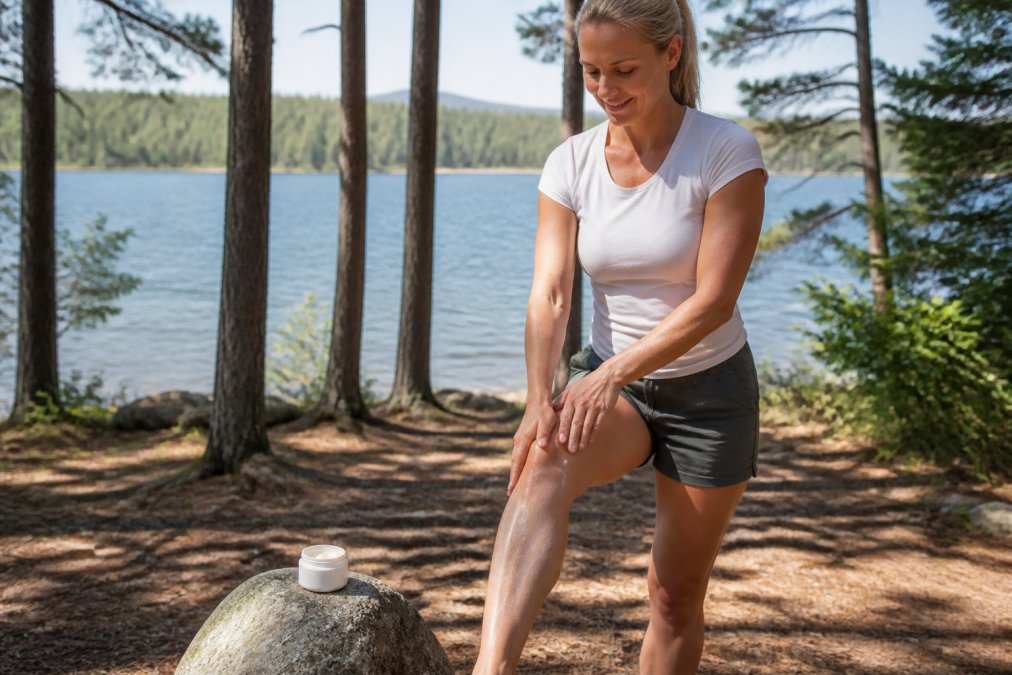
Dispense approximately a quarter-sized amount into your palm. For full-body protection, you’ll typically need 2-3 applications depending on body size. Rub the cream between your hands to warm it slightly, then apply evenly to all exposed skin. Pay special attention to areas insects target most: ankles, wrists, behind the ears, the back of your neck, and exposed legs.
Work the cream into your skin thoroughly rather than leaving it as a surface layer. A natural bug repellent cream works best when absorbed and forming a protective barrier on your skin, typically taking 2-3 minutes of gentle rubbing.
Application Timing and Frequency
Apply your natural bug repellent cream 10-15 minutes before heading outdoors. This timing allows essential oils to disperse fully and the cream base to set properly. Applying too close to departure means you might sweat it off before it becomes effective.
Reapplication frequency depends on activity level and environmental conditions. If swimming or sweating heavily, reapply every 60-90 minutes. For moderate outdoor activities like golfing or casual hiking, reapply every 2-3 hours. On calm days with minimal perspiration, a single application may last 3-4 hours.
Water exposure significantly reduces cream effectiveness. If at the beach or pool, plan to reapply after swimming. Even waterproof formulations require reapplication after extended water immersion.
Coverage Areas and Waterproofing
Don’t neglect small areas insects target specifically. Behind your ears, the part in your hair, your hairline, the back of your neck, and collarbone area are all vulnerable. Use your fingertips to work the cream into the skin rather than just rubbing it on the surface.
For waterproof protection, apply the cream more generously and allow extra time for it to set, typically 5-10 minutes rather than 2-3. A waterproof natural bug repellent cream contains additional wax or oil components that create a more durable barrier. This barrier resists water better but requires more thorough removal at day’s end using a gentle cleanser to prevent buildup.
For water activities, consider applying your cream in layers. Apply a first layer, let it set for a few minutes, then apply a second layer. This creates a thicker protective barrier that holds up better to water exposure and perspiration.
Natural Mosquito Repellent for Sensitive Skin
Sensitive skin requires special consideration when choosing a natural bug repellent cream. Standard formulations, even those labeled “natural,” can trigger reactions in people with reactive skin conditions or known sensitivities.
A natural mosquito repellent designed for sensitive skin should contain minimal essential oil concentrations, enough to be effective but not so high that they irritate. Look for formulations including soothing ingredients like aloe vera, chamomile extract, or oat extract. These calm skin while essential oils provide protection.
Fragrance sensitivity is common in reactive skin. Choose products relying on essential oils for scent rather than added fragrance compounds. Better yet, look for minimal-scent formulations. The essential oils will still provide insect protection even if barely noticeable.
Patch testing is essential before committing to any new product. Apply a small amount to your inner wrist or behind your ear and wait 24 hours before full application. This simple step prevents discovering a reaction after applying the product to your entire body before an outdoor event.
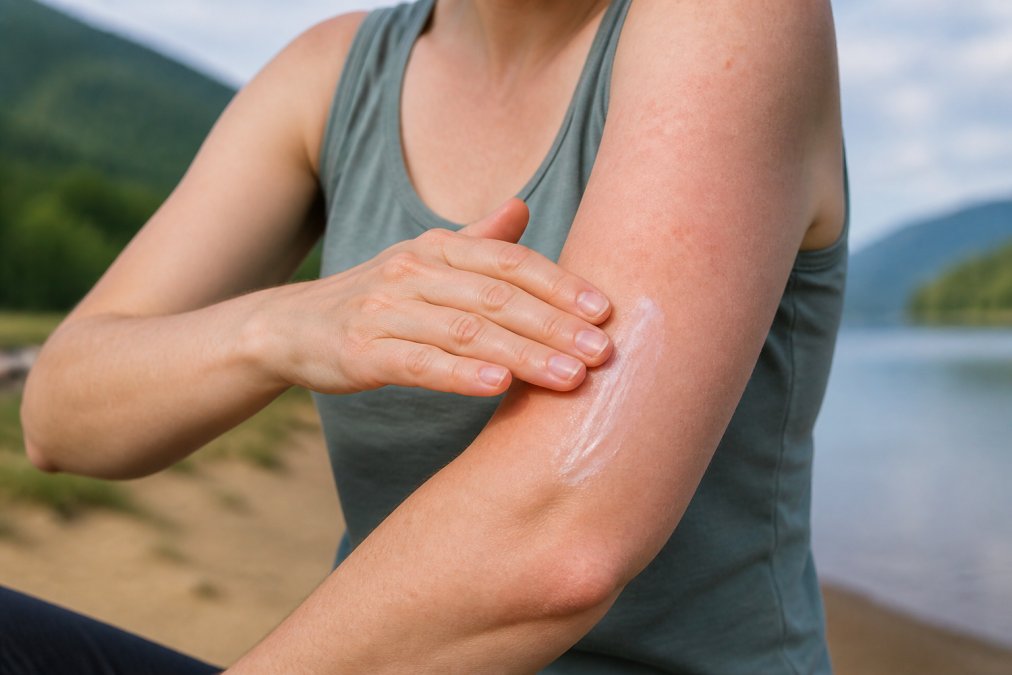
Seek out hypoallergenic certifications, dermatologist-tested claims, and formulations free from common irritants like synthetic dyes or alcohol. A natural bug repellent cream with high percentages of nourishing oils like avocado or sweet almond oil will be gentler than one with minimal carrier oil content.
Many people with sensitive skin find that products with collagen and moisturizing ingredients actually improve their skin condition over time. The combination of protection and hydration creates a positive feedback loop as your skin becomes less reactive when properly moisturized.
What to Look for When Buying Natural Bug Repellent Cream
Not all natural bug repellent creams are created equal. Several factors distinguish effective products from those that underperform or pose unnecessary risks.
Examine the ingredient list carefully. Essential oils should be listed by specific names, citronella, eucalyptus, cedarwood, lavender, rather than vague terms like “essential oil blend” or “natural fragrance.” The order of ingredients matters: active insect-repelling components should appear early, indicating higher concentrations.
Verify the product is specifically formulated as a cream rather than a spray or lotion. A cream format provides better skin adherence, lasts longer through perspiration and water exposure, and delivers dual benefits of protection plus moisturization. Sprays evaporate quickly and require more frequent reapplication.
Confirm the product includes carrier oils and moisturizing ingredients. A quality natural bug repellent cream shouldn’t feel tacky or greasy; it should absorb into your skin and leave it feeling soft and nourished.
Certifications and Safety Standards
Look for certifications indicating third-party testing and quality assurance. Products labeled as organic certified have met specific standards for ingredient sourcing and processing. Dermatologist-tested claims carry weight, particularly for people with sensitive skin, indicating the product has been evaluated for safety and efficacy on human skin.
Check whether the product has been tested for efficacy against specific insects. Many natural bug repellent creams claim broad protection, but some excel against mosquitoes while others target no-see-ums or ticks. If you know which insects are prevalent in your area, choose a product specifically tested against those species.
Safety standards for children’s products are particularly important for family use. Products labeled for children ages 2 and older have met specific safety requirements. Always verify the age recommendation on the packaging before using any product on young children.
Product Format and Portability
Consider how you’ll carry and apply the product during outdoor activities. A cream in a compact jar is highly portable and doesn’t require a spray mechanism that could malfunction. Smaller sizes (1-2 ounces) are ideal for travel or day trips, while larger containers make sense for regular use.
The packaging should protect the product from light and air exposure, which degrade essential oils and reduce effectiveness over time. Opaque containers are better than clear ones. Jars with secure lids are preferable to tubes that might leak in a backpack.
Waterproof formulations are worth the investment if you spend significant time near water or engage in activities causing heavy perspiration. These products use different base ingredients creating a more durable barrier, though they may feel slightly heavier on skin and require more thorough cleansing to remove completely.
Consider whether you prefer minimal scent or a pleasant natural fragrance. If using this for family outings, choose a scent everyone can tolerate. A cream that smells appealing will see more consistent use than one people avoid because of the aroma.
Choosing the right natural bug repellent cream means balancing effective insect protection with skin health and personal comfort. The best option combines proven essential oils in meaningful concentrations with nourishing carrier oils and moisturizing ingredients that leave your skin feeling better, not worse. Scram Products’ No-See-Um Bug Guard delivers exactly this combination, a multipurpose collagen beauty cream formulated with Citronella, Eucalyptus, Lavender, Cedarwood, and Patchouli that protects against biting insects while nourishing your skin. With waterproof protection and a formula safe for children ages 2 and older, it’s designed for the outdoor activities that matter to you. The FDA guidance on insect repellent safety recommends evaluating any topical product for your specific needs. Get started with Scram Products and experience protection that actually improves your skin.
Frequently Asked Questions
Q: What ingredients should I look for in a natural bug repellent cream?
A: Look for essential oils like citronella, eucalyptus, cedarwood, and lavender, which are proven to repel mosquitoes and no-see-ums. Check for moisturizing bases such as beeswax, shea butter, and carrier oils like sesame oil or avocado oil. These ingredients provide dual benefits: insect protection and skin nourishment. Avoid synthetic fragrances and parabens, which can irritate sensitive skin. DEET-free formulations work well for families seeking natural alternatives without harsh chemicals.
Q: How often should I reapply natural bug repellent cream?
A: Reapply every 2-3 hours during outdoor activities, or more frequently if you swim, sweat, or towel off. Waterproof formulations may last longer in water, but perspiration and friction reduce effectiveness. Check the product label for specific reapplication guidance. For extended outdoor events like fishing or golfing, carry your natural bug repellent cream with you so you can touch up as needed throughout the day.
Q: Are natural bug repellent creams safe for young children?
A: Most natural bug repellent creams are formulated to be safe for children ages 2 and older. Always patch-test on a small area first, especially for children with sensitive skin or known allergies. Avoid applying near eyes, mouth, or open cuts. If your child has extremely reactive skin, consult a pediatrician before use. Natural formulations without DEET are gentler than synthetic alternatives, making them a popular choice for family outings.
Q: Can I use natural bug repellent cream on my face?
A: Yes, but apply carefully and avoid the eye area, lips, and mouth. Use a small amount and rub gently into skin on your forehead, cheeks, nose, and chin. If you wear sunscreen, apply sunscreen first, then add the bug repellent cream on top. For facial application, choose formulations specifically labeled as safe for the face, as some creams may feel heavy or leave residue in sensitive facial areas.
This article was written using GrandRanker


