

Table of Contents
- What Collagen Cream Actually Does for Your Skin
- Can Collagen Penetrate the Skin Barrier?
- Benefits of Topical Collagen for Hydration and Texture
- Is Collagen Cream Safe for Sensitive Skin?
- How to Repair Skin Barrier After Bug Bites
- Topical Collagen vs. Oral Collagen Supplements
- Choosing the Right Collagen Cream for Your Needs
- Frequently Asked Questions
Last Updated: August 30, 2026
What Collagen Cream Actually Does for Your Skin
Is collagen cream good for skin? The answer depends on what you expect it to do. Collagen creams won’t rebuild your skin’s collagen structure from the outside, that’s the part most marketing gets wrong. What they actually do is hydrate your skin, improve texture, and help maintain moisture retention through a blend of hydrating agents and peptides. Understanding this distinction separates realistic results from oversold promises.
When you apply a collagen cream to your skin, the molecules are too large to penetrate deeply into the dermis where structural collagen lives. Instead, topical collagen works as a humectant and emollient on the skin’s surface and outer layers. It draws moisture into the epidermis and locks it there, plumping fine lines temporarily and improving skin texture. For people dealing with dehydrated skin or rough patches, especially after environmental stress like sun exposure or insect bites, this moisturizing effect is genuinely useful.
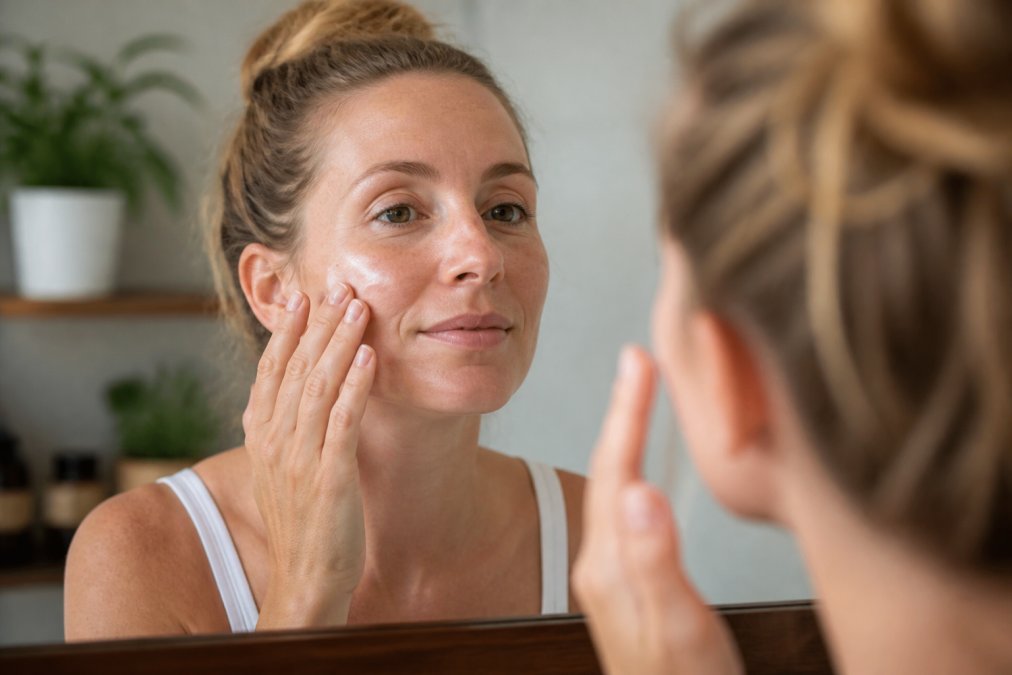
The real value of a collagen cream lies in its supporting ingredients. Many formulations include peptides, which are smaller protein fragments that may support skin barrier function and cell turnover. Others combine collagen with retinoids, niacinamide, or essential oils that address specific skin concerns. Scram Products, for instance, formulates their collagen cream with essential oils including Citronella, Eucalyptus, Lavender, Cedarwood, and Patchouli, combining skincare benefits with protective properties for outdoor activities.
The best collagen creams work as part of a complete routine, not as standalone solutions. Pair them with a vitamin C serum, sunscreen, and a solid moisturizer for visible results in skin texture and firmness over 4-6 weeks.
Can Collagen Penetrate the Skin Barrier?
No, topical collagen cannot meaningfully penetrate the skin barrier to reach the dermis. The molecular weight of collagen is simply too large. Your skin’s barrier is designed to keep large molecules out, that’s its job. Collagen molecules are around 3,000 Daltons or larger, while the skin barrier typically allows molecules under 500 Daltons to pass through efficiently (peer-reviewed research).
This is where hydrolyzed collagen enters the conversation. When collagen is hydrolyzed, it’s broken down into smaller peptide chains, reducing molecular weight and theoretically improving bioavailability. Hydrolyzed collagen in skincare products may penetrate slightly deeper than intact collagen, but even these peptides face significant barriers. Most research suggests they work primarily on the skin’s surface and upper epidermis, not in the dermis where structural collagen resides.
What actually happens when you apply collagen cream is this: the collagen and its supporting ingredients sit on your skin, drawing water into the outer layers through hygroscopic action. This plumps the epidermis temporarily, reducing the appearance of fine lines and improving skin texture. The effect is real and visible, but it’s hydration-based, not structural regeneration.
Topical collagen cream is effective for hydration and temporary texture improvement. It won’t rebuild collagen in your dermis, but it will make your skin look and feel smoother immediately and maintain that improvement with consistent use.
Benefits of Topical Collagen for Hydration and Texture
Topical collagen cream delivers measurable benefits for skin hydration and appearance, particularly when your skin barrier is compromised or dehydrated. The primary advantage is moisture retention. Collagen acts as a humectant, pulling water into the skin and holding it there, which is especially valuable after environmental stress, sun exposure, or irritation from insect bites.
Improved skin texture is the most immediate visible benefit. Within days of consistent use, fine lines appear less pronounced because the skin is plumped with moisture. Rough patches smooth out. Dull skin regains a subtle glow. These aren’t permanent changes to your skin’s structure, but they’re genuine improvements that compound over time as your skin barrier strengthens.
Skin elasticity also improves with consistent hydration. When your skin is properly hydrated, it responds better to movement and retains its shape more effectively. This is why people often report that their skin looks and feels firmer after using a quality collagen cream for several weeks. The collagen cream supports your skin’s natural ability to maintain elasticity by keeping the epidermis hydrated and functional.
For people with sensitive skin or those recovering from irritation, collagen creams offer gentle support. The hydrating action helps repair transepidermal water loss, which is a key factor in skin barrier dysfunction. Many collagen formulations include additional barrier-supporting ingredients like ceramides, hyaluronic acid, or essential oils that work synergistically to restore skin health.
Is Collagen Cream Safe for Sensitive Skin?
Collagen cream is generally safe for sensitive skin, but individual reactions depend on the specific formulation and your skin’s sensitivities. Pure collagen is a naturally derived protein that rarely triggers allergic responses. However, the supporting ingredients in a collagen cream, preservatives, fragrances, essential oils, or active compounds, may cause irritation in sensitive individuals.
Before applying any new collagen cream to your face, patch test on a small area of skin, ideally on your inner arm or behind your ear. Wait 24-48 hours to observe any reaction. This simple step prevents a bad reaction on your face where it’s more noticeable and problematic.
For people with very reactive skin, look for collagen creams with minimal additional ingredients. Fewer additives mean fewer potential irritants. Scram Products’ collagen cream includes essential oils that provide benefits beyond basic hydration, but if you know you’re sensitive to essential oils, this may not be your best option. Instead, seek a simpler formulation focused primarily on collagen and hydrating agents.
If you’ve experienced reactions to other skincare products, start with a smaller amount of collagen cream and introduce it slowly into your routine. Apply it every other day for the first week, then daily if no irritation develops. Sensitive skin often adapts well to new products when they’re introduced gradually.
Never apply a new skincare product, including collagen cream, immediately before an important event or outdoor activity. Always patch test first. A reaction that appears 6-12 hours after application can ruin your day and damage your skin barrier further.
How to Repair Skin Barrier After Bug Bites
Repairing your skin barrier after bug bites requires hydration, barrier support, and protection from further irritation. The first step is to stop scratching, which is easier said than done. Scratching breaks the skin, introduces bacteria, and deepens the inflammatory response. If you’re struggling with itch, apply a cold compress for 10-15 minutes to numb the sensation and reduce inflammation.
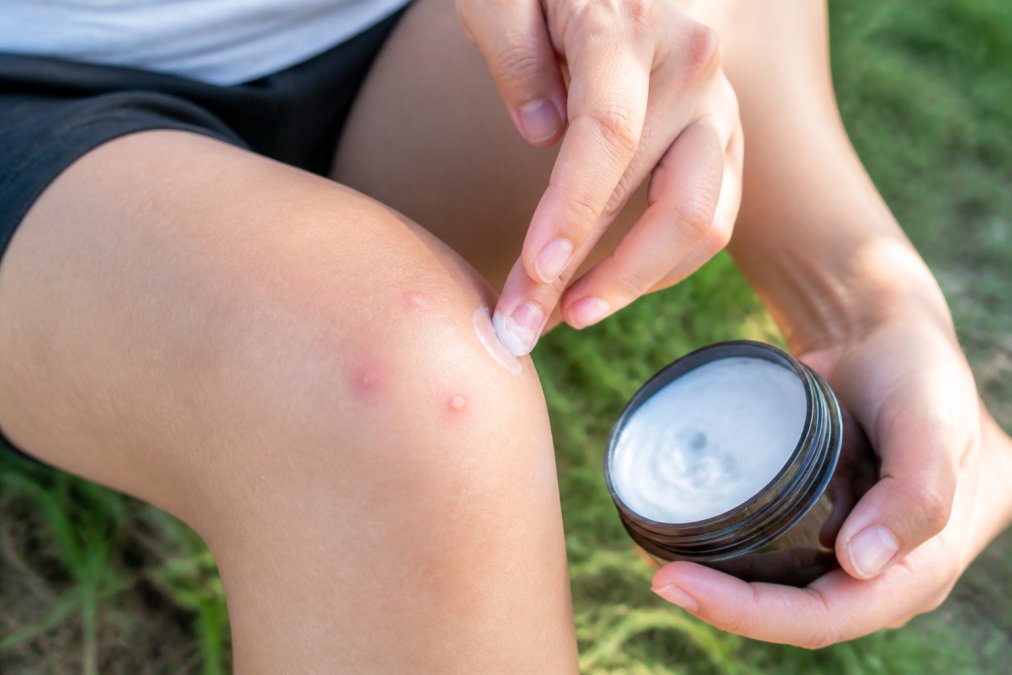
Next, cleanse the affected area gently with lukewarm water and a mild cleanser. Avoid harsh scrubbing or hot water, which further damages the barrier. Pat dry gently, don’t rub. Apply a hydrating collagen cream to the irritated area while your skin is still slightly damp. The moisture helps the cream penetrate and maximizes hydration.
A collagen cream designed for sensitive skin provides multiple benefits for bite recovery. The hydrating action reduces inflammation and supports barrier repair. The peptides may help with skin cell turnover, promoting healing. Additional ingredients like essential oils can provide soothing properties. Scram Products’ collagen formula, for example, includes Lavender and Cedarwood, which are traditionally associated with skin soothing and recovery.
Consistency matters for barrier repair. Apply your collagen cream twice daily, morning and night, for at least 2-3 weeks after bites appear. The skin barrier typically takes 2-4 weeks to fully repair after damage, so patience is essential (the American Academy of Dermatology). During this time, avoid other potentially irritating products like acids, vitamin C serums, or retinoids. Stick to gentle hydration and barrier support.
Sun protection is critical during barrier repair. Damaged skin is more vulnerable to UV damage, which slows healing and increases inflammation. Use a broad-spectrum sunscreen with at least SPF 30 daily, even if you’re staying indoors (the CDC). UV rays penetrate windows, and any additional stress on a healing barrier extends recovery time.
Topical Collagen vs. Oral Collagen Supplements
Topical collagen and oral collagen supplements work through completely different mechanisms and address different needs. Understanding the distinction helps you choose the right approach for your goals.
Topical collagen cream works on your skin’s surface and outer layers, providing immediate hydration and texture improvement. Results are visible within days. The effect is temporary, it lasts as long as you use the product. There’s no systemic impact; the benefits are localized to where you apply the cream. For quick texture improvements and hydration support, topical application is your best option.
Oral collagen supplements, typically in the form of hydrolyzed collagen peptides or collagen powder, work systemically. You ingest them, and your digestive system breaks them down into amino acids and smaller peptides. These circulate through your body and theoretically support collagen production in your skin and connective tissues. Results take longer, typically 4-12 weeks, but the theory is that they support structural collagen regeneration rather than just surface hydration.
The practical difference: topical collagen is a cosmetic moisturizer with immediate, visible results. Oral collagen is a nutritional supplement with slower, less visible results but potentially broader systemic benefits. Neither is inherently better; they serve different purposes.
Many people use both together for complementary benefits. The oral supplement theoretically supports collagen production from within, while the topical cream provides immediate hydration and barrier support on the surface. This combination approach addresses both short-term texture concerns and longer-term skin health goals.
Choosing the Right Collagen Cream for Your Needs
Selecting a collagen cream that actually works for your skin requires understanding your specific concerns and reading formulations carefully. Start by identifying your primary skin goal. Are you targeting fine lines and texture? Dehydration and dullness? Irritation recovery? Barrier repair? Your answer determines which supporting ingredients matter most.
For hydration and general texture improvement, prioritize collagen creams with strong humectants like hyaluronic acid, glycerin, or hydrolyzed collagen. These draw and retain moisture effectively. Look for products with at least 3-5 hydrating ingredients listed in the first half of the ingredient list.
For sensitive skin or barrier repair, seek formulations with barrier-supporting ingredients like ceramides, niacinamide, or centella asiatica. Avoid products with high concentrations of fragrance, essential oils, or active compounds that might irritate. Simplicity is your ally here.
For anti-aging concerns, look for collagen creams that combine hydration with peptides, retinoids, or vitamin C. These supporting ingredients address multiple aging mechanisms, hydration improves texture, peptides support cell turnover, and retinoids stimulate collagen production. A well-formulated anti-aging collagen cream tackles the problem from multiple angles.
Consider your skin type. Oily skin benefits from lightweight collagen serums or gels rather than heavy creams. Dry skin typically prefers richer cream formulations. Combination skin often does well with a moisturizing collagen lotion that hydrates without feeling heavy on oily zones.
Price isn’t always an indicator of quality, but extremely cheap collagen creams often contain minimal active ingredients. Mid-range products from established brands typically offer better value than budget options or premium luxury brands. The most expensive collagen cream isn’t necessarily the most effective.
| Skin Concern | Best Collagen Cream Type | Key Supporting Ingredients | Expected Timeline |
|---|---|---|---|
| Dehydration & dullness | Hydrating cream or serum | Hyaluronic acid, glycerin, hydrolyzed collagen | 3-7 days for visible improvement |
| Fine lines & texture | Anti-aging collagen cream | Peptides, retinoids, vitamin C | 4-6 weeks for noticeable results |
| Sensitive skin or barrier repair | Gentle collagen moisturizer | Ceramides, niacinamide, centella asiatica | 2-4 weeks for barrier restoration |
| Outdoor activity protection | Multi-purpose collagen cream | Essential oils, hydrating base | Immediate protection + hydration |
Test any new collagen cream for at least 2-3 weeks before deciding if it works for you. Skin changes take time, and your skin needs time to adapt to new products. If you’re not seeing results after a month of consistent use, the formulation likely isn’t right for your skin.
Collagen cream can be genuinely good for your skin when you understand what it actually does and choose a formulation suited to your specific needs. It won’t rebuild your collagen structure or reverse aging, but it will hydrate, improve texture, and support your skin barrier. For outdoor enthusiasts dealing with environmental stress, insect irritation, or sun exposure, a quality collagen cream becomes part of effective skin recovery and maintenance.
Scram Products’ collagen cream combines hydration with essential oils and protective properties, making it particularly valuable for people who spend time outdoors. The multipurpose formula addresses both skincare and environmental protection in one application. If you’re looking for a collagen cream that works for active outdoor use while supporting skin health, Scram Products delivers reliable hydration and nourishment in a convenient, skin-friendly formula. PURCHASE NOW!
Frequently Asked Questions
Do collagen creams actually work for improving skin appearance?
Collagen cream works as a moisturizer by forming a hydrating layer on the skin’s surface. The hydrolyzed collagen peptides in these formulas help plump fine lines and improve skin texture through hydration. However, topical collagen cannot rebuild the collagen in your dermis, it functions primarily as a moisturizing and hydrating agent. Results depend on consistent use and your skin type.
Can collagen cream help repair skin after bug bites?
Yes, collagen cream can support skin barrier repair after bug bites. The moisturizing properties help restore hydration and reduce transepidermal water loss, which is critical for healing irritated skin. Ingredients like collagen peptides work alongside hydrating agents to soothe inflammation and support the skin’s natural recovery. Apply gently to affected areas after cleansing for best results.
Is collagen cream safe for sensitive skin?
Collagen cream is generally safe for sensitive skin because collagen itself is a natural protein that rarely triggers allergic reactions. However, some formulas contain additional ingredients like essential oils or fragrances that may irritate sensitive skin. Always patch-test on a small area first, and choose products with minimal added ingredients if you have reactive skin.
How does topical collagen differ from taking collagen supplements?
Topical collagen creams work on the skin’s surface to hydrate and plump the epidermis, with results visible in days or weeks. Oral collagen supplements are ingested and broken down in your digestive system; any benefits depend on your body’s ability to synthesize peptides into new collagen through fibroblast activity. Topical application offers immediate hydration benefits, while oral supplements may support long-term collagen production if bioavailability is high.
This article was written using GrandRanker


